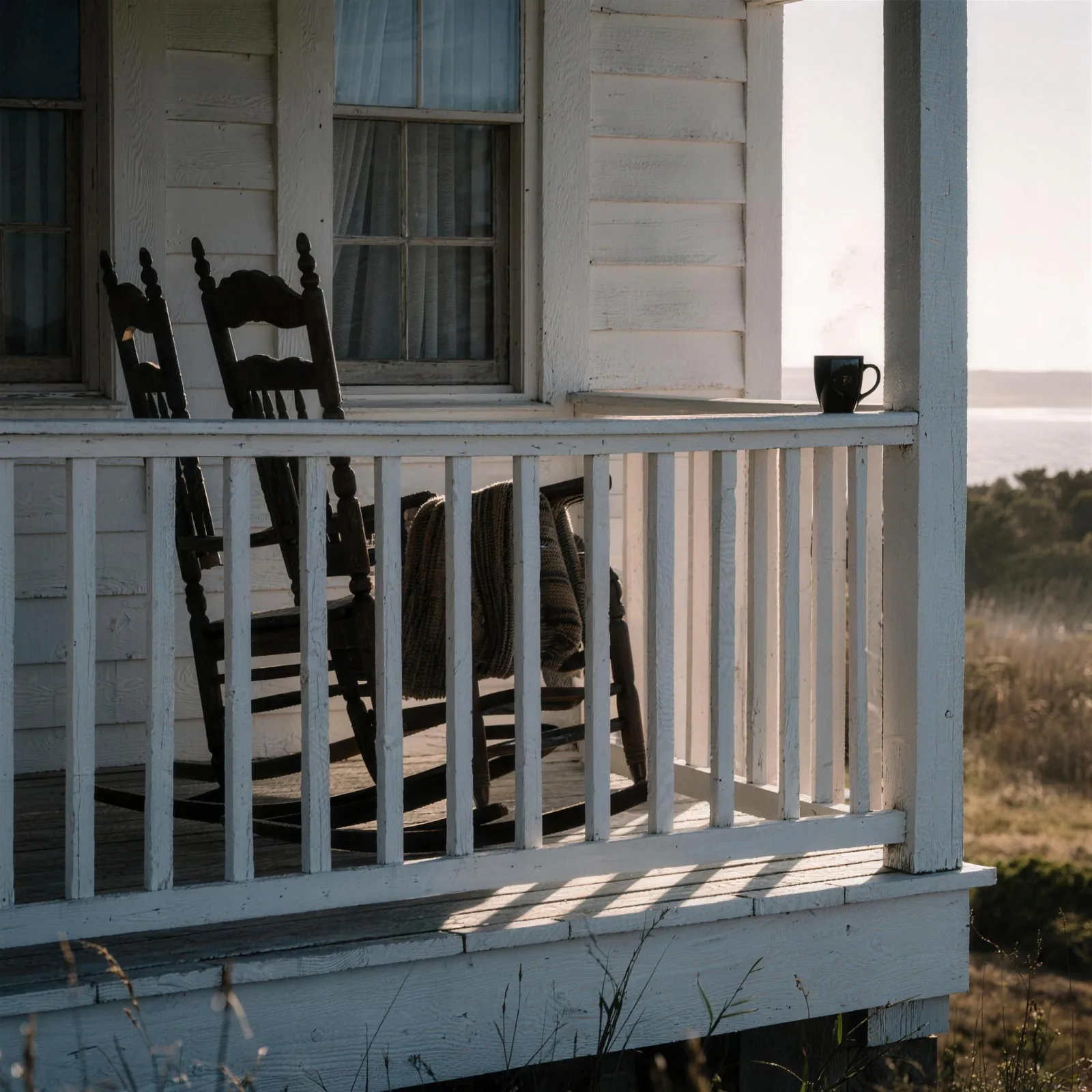
The snowbird season on 30A, told straight
Criteria for this page, printed as always: only season facts and winter anchors from our sourced pool appear here. Where a winter schedule is unverified, we say check the venue's own calendar instead of guessing. No temperature promises, no invented crowd numbers, no book-by-date theater.
The corridor's year has a shape. June through August is peak season; March belongs to spring break; September and October are the warm shoulder, when the crowds thin while the Gulf stays swimmable. Then comes the exhale: January and February, the quiet season, when 30A becomes monthly-stay country and the people on the sand are the people staying a while. That is the snowbird season this site is built around.
What it feels like is village life. The 12 towns keep their year-round rhythm at resident speed: coffee counters with time to talk, open parking at the 11 regional beach accesses with restrooms county-wide, the paved path along 30A signed for bikes and pedestrians, and state parks from Topsail Hill to Camp Helen holding their trails all winter, entry details on each park's official site. The honest trade is weather and water: deep winter is cool and changeable, for walkers rather than swimmers, and we decline to dress that up with numbers we did not source.
The festival month
The 30A Songwriters Festival runs each January, with a main stage a short drive west at Grand Boulevard and net proceeds benefiting the Cultural Arts Alliance of Walton County. The corridor's one deep-winter week when everyone is visibly out at once.
FebruaryThe deep quiet
The calmest sand of the year: long walks, galleries, home cooking, early evenings. The month that decides who becomes a returning snowbird.
The shouldersWarm water, thinner crowds
September and October keep the Gulf swimmable after the summer crowds leave, and the spring run-up sits between spring break and peak. The planner weighs both against the deep winter honestly.
Timing a booking without the theater
Winter monthly inventory is not a marketplace with a countdown; it is one conversation per home. So our booking-window advice refuses the usual urgency tricks: we will not tell you rentals are almost gone, because we cannot know that, and neither can anyone else quoting scarcity at a corridor of individual owners. What we can tell you is structural. The best-fitting homes for January and February have the fewest substitutes, monthly guests book earlier than weekly guests by nature, and the polite early inquiry our negotiating guide teaches costs nothing and holds your place in the conversation. Ask two or three owners how their winter calendar looks; their answers are your market data, and they are the only honest kind.
Paperwork note for every winter month: stays of six months or less are taxable transient rentals, with Walton County's 5% Tourist Development Tax south of the bay applied to rent plus required fees per the county clerk, and your agreement should read like our lease guide. If your winter runs past six months, you cross into different territory: real tenancy, outside the tourist tax, covered in the same guide.